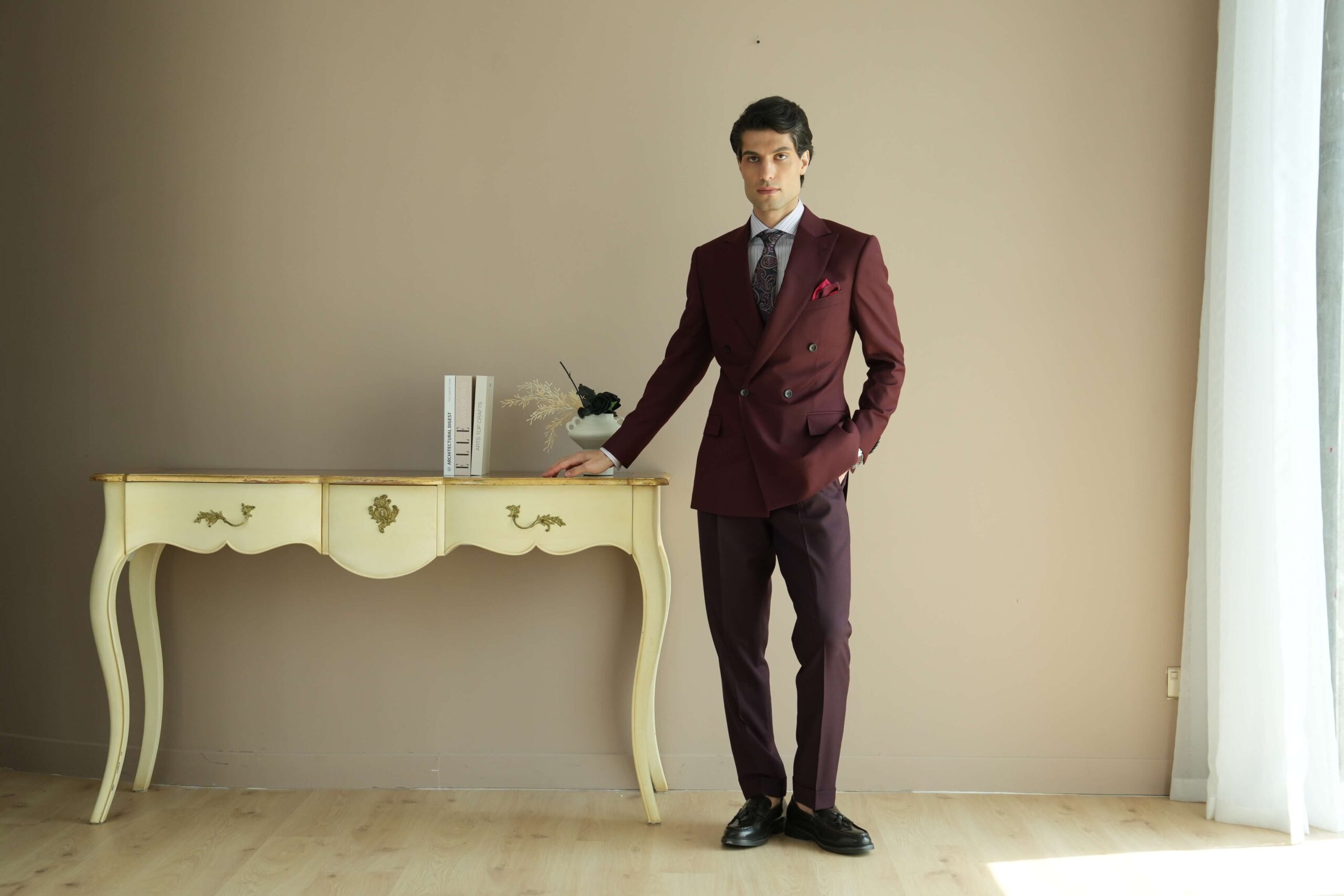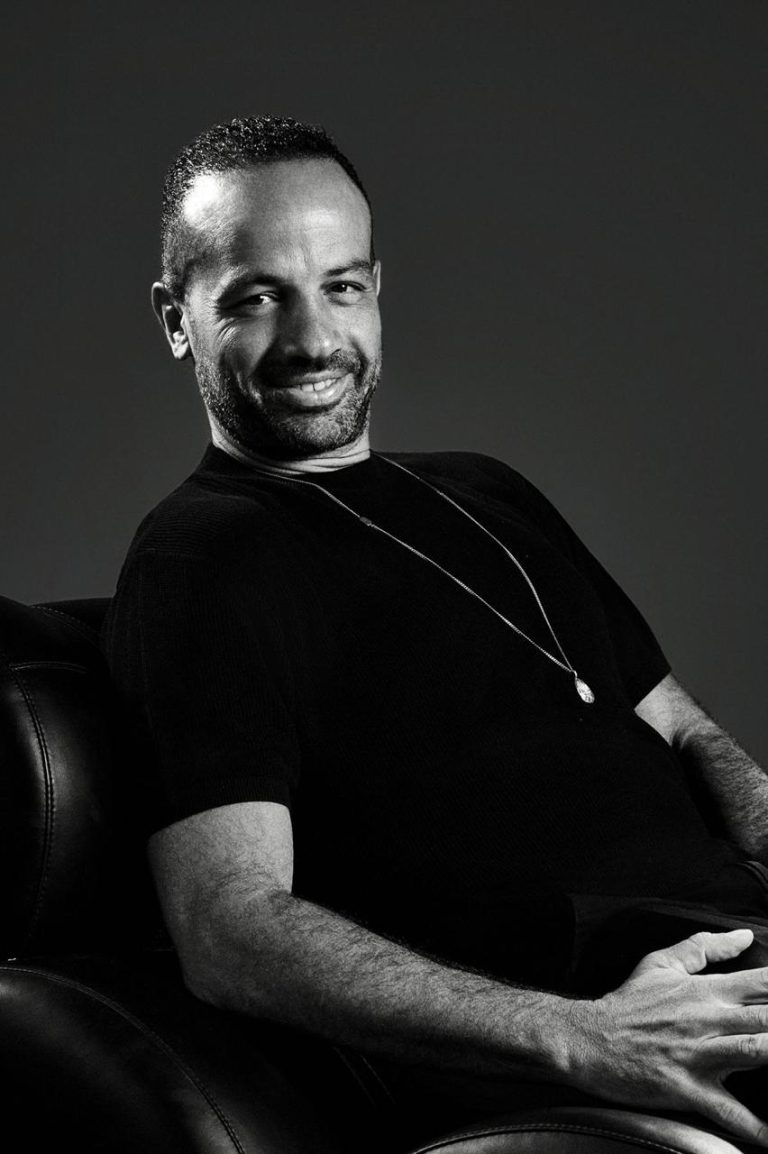




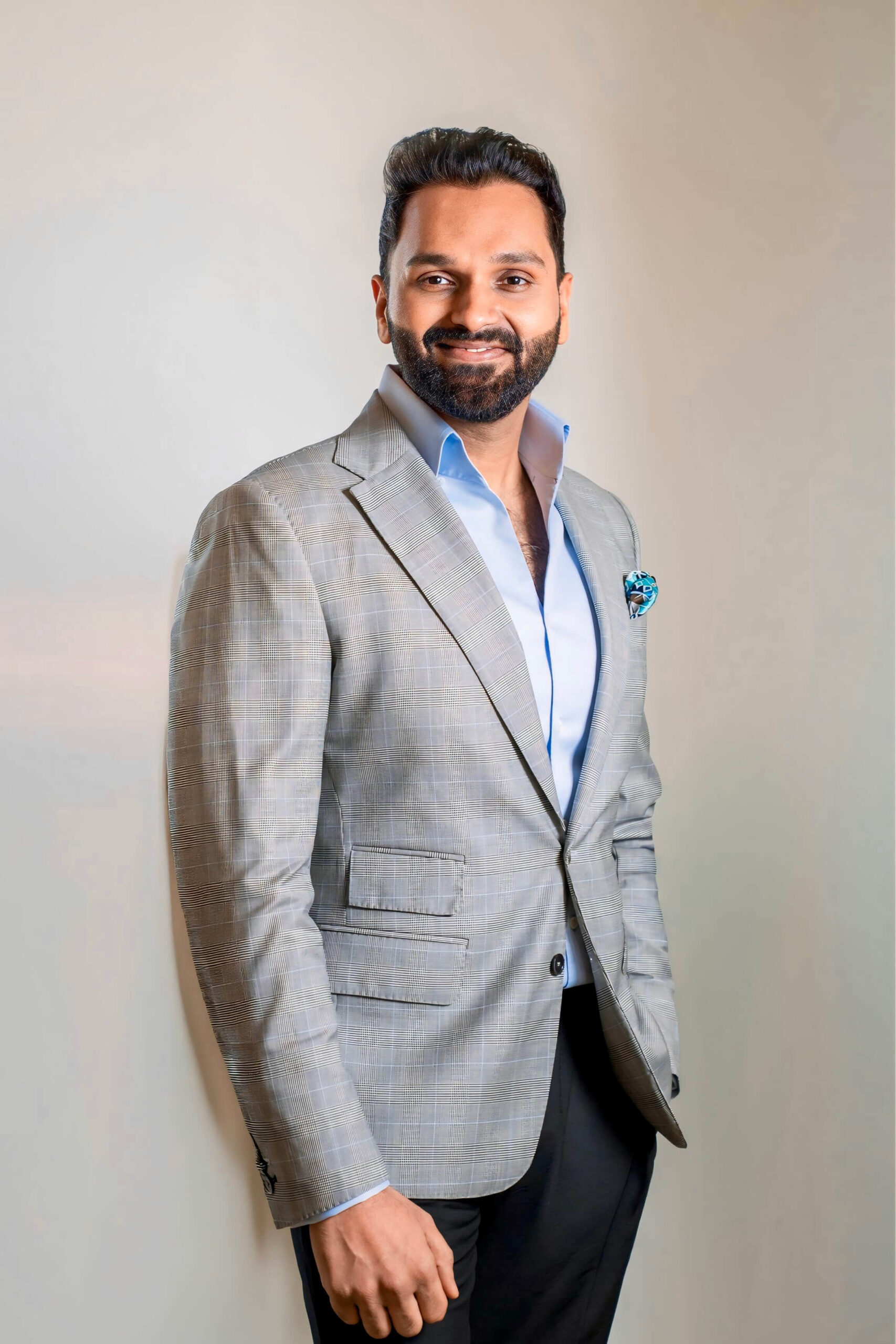
Biivesh Vamadev, Founder & Managing Director of luxury tailoring house Ateliier De Soul, identifies as a “purpose-preneur”. And with a diverse mix of ventures under his belt, his purpose is clear: to empower individuals, bringing their identity and self-expression to the fore.
In this interview, Biivesh shares his vision for Ateliier De Soul, explains how its intuitive client experience sets it apart, and offers golden nuggets of advice spanning everything from what a suit actually needs (it’s not another trip to the dry cleaner) to why going with the flow isn’t always wise.
1. What inspired you to launch Ateliier De Soul?
Ateliier De Soul started from a simple thought. Everything today is fast, convenient, and almost instant, but somewhere along the way, craftsmanship started disappearing. Buying a suit became very transactional, rushed, and often impersonal. I wanted to bring back the experience, not just sell a product.
I also noticed that busy professionals don’t really have the time to go from store to store, but they still want something that reflects who they are. That’s when the idea came in. Why not bring tailoring to them? Not just for measurements, but for the entire journey – fabric selection, fittings, and styling, all built around comfort, precision, and trust.
Ateliier De Soul was created to bring back that sense of occasion. From premium Italian fabrics to stylists visiting clients at their home or office, every step is designed to make tailoring feel personal again. It’s not just about suits. It’s about confidence, convenience, and craftsmanship coming together.
2. What obstacles did you face and overcome when setting up the tailoring house?
One of the biggest challenges was starting something that didn’t follow the usual path. We weren’t opening a traditional store with racks of ready-made suits. We were building a service-led tailoring house centred around people and experience.
There were moments where we had to balance ambition with practicality. Maintaining premium fabric quality while keeping packages accessible, training stylists to deliver a consistent experience, and ensuring every fitting met our standards even outside a store environment. It required a lot of hands-on involvement.
However, those obstacles became the foundation of our identity. They pushed us to stay committed to craftsmanship, invest in the right people, and build trust slowly. Looking back, those early challenges didn’t just test us. They defined what Ateliier De Soul stands for today.
3. How would you describe the Ateliier De Soul experience – from fabric selection to final fitting – and what makes it different from traditional tailoring?
The Ateliier De Soul experience begins before a single measurement is taken. It starts with understanding the individual. How they move, where they wear their suits, and what confidence looks like to them. Our stylists then bring a curated selection of premium Italian fabrics directly to the client’s home or office, turning what is usually a rushed purchase into a relaxed, personalised consultation.
From there, every step is designed to remove friction. Multiple fittings take place at the client’s convenience, details are refined gradually, and unlimited alterations ensure the final result feels natural rather than forced. The process is collaborative, not transactional.
What makes it different from traditional tailoring is simple. We don’t ask clients to adapt to us. We build the entire experience around them. It’s tailoring that moves at the client’s pace, in their space, with craftsmanship that never feels rushed.
4. Your team is known for exceptional craftsmanship. What does it take to earn the title of “master tailor” at Ateliier De Soul?
We believe a master tailor is chosen by clients, not titles.
Our head tailor has limited availability, yet many customers specifically request him.
When clients are willing to adjust their schedules or wait for a particular tailor, it reflects a deeper level of trust. It’s about precision, understanding fit instinctively, and delivering a consistently exceptional experience.
For us, earning the title of “master tailor” means reaching a point where clients recognise the craftsmanship themselves. The demand for our head tailor, despite limited slots, is the clearest sign that the title has been earned.
5. Your “Moving Tailor” service is a standout feature. How unique is this to Ateliier De Soul?
We call it the Travelling Tailor, and it comes from a simple belief. Why should clients go out of their way for tailoring when tailoring can come to them? We didn’t want customers checking maps, planning visits, or fitting appointments into already busy schedules.
Instead, our stylists and master tailor travel directly to the client. From fabric selection to measurements and even trials, the entire experience happens in their home or office. It’s designed to feel seamless and comfortable, without compromising craftsmanship.
While others may offer occasional home visits, the Travelling Tailor is central to how we operate. It’s not an add-on. It’s part of our philosophy to remove inconvenience and make bespoke tailoring more personal and accessible.
6. What new bespoke experiences are you introducing at Ateliier De Soul right now?
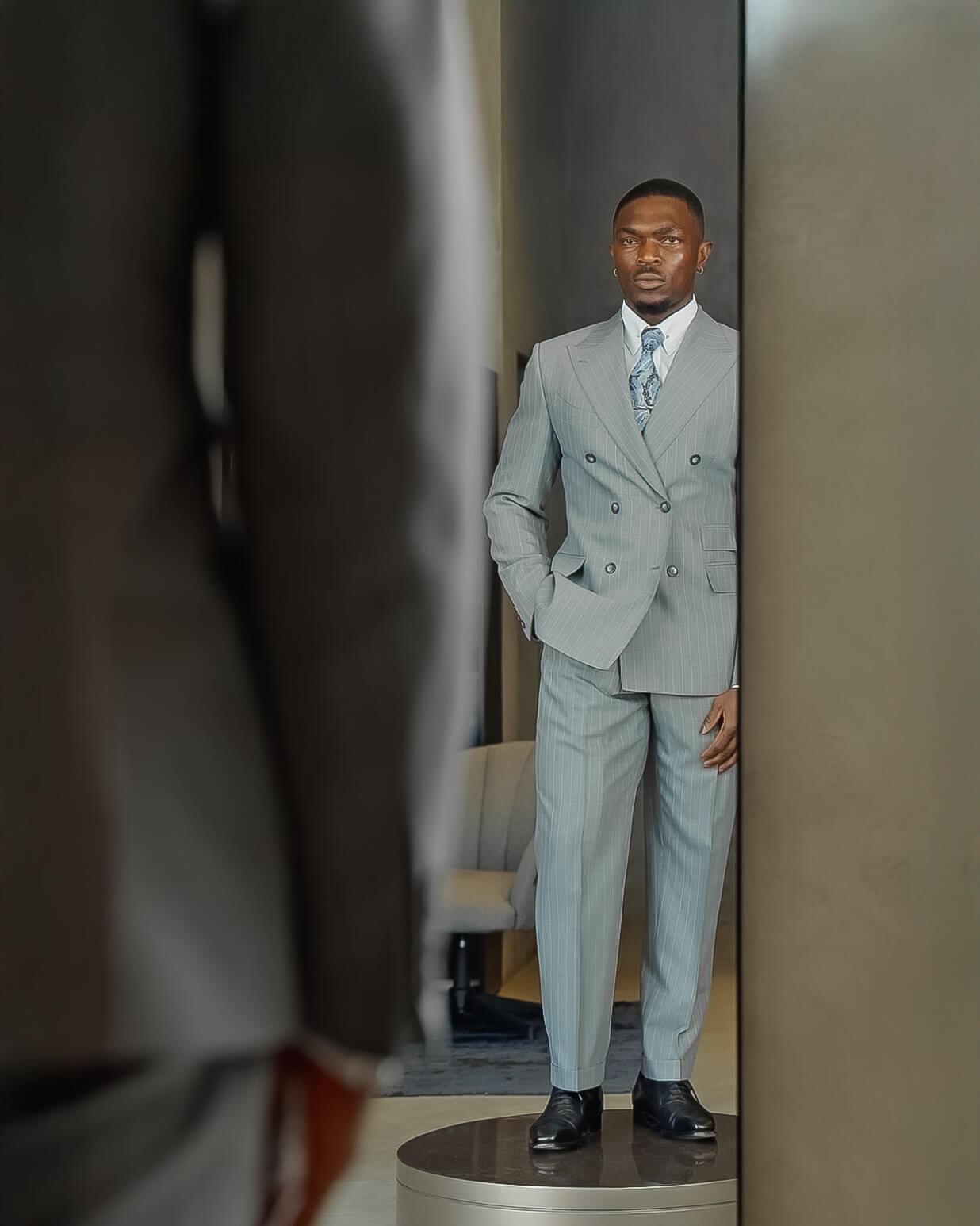
Right now, we’re introducing two new bespoke experiences – The Occasional and Executive Prime. The Occasional is designed around daily wear, whether for work, meetings, or regular professional settings. Executive Prime, on the other hand, leans towards a more elevated wardrobe for clients who want something slightly more refined for important occasions and presence.
Each has been thoughtfully designed to suit different lifestyles, whether clients are looking for statement pieces for key moments or a polished wardrobe for everyday professional wear.
Alongside this, we’re working on something we’re particularly excited about, what we call the Power Wardrobe. The idea is to simplify decision-making while maximising versatility.
We’ll be sharing more details soon, but the goal is simple. To help clients build a wardrobe that works effortlessly across occasions. Stay tuned.
7. Slow fashion is on the rise. How do you see this movement evolving in the next five years?
I think slow fashion is already shaping how people approach their wardrobes. Clients are becoming more mindful. Instead of buying frequently, they’re looking for pieces that last longer and can be worn in different ways, especially for men. That naturally aligns with bespoke tailoring, because the focus is always on fit, quality, and longevity.
At the same time, fashion always moves in cycles. We all know styles from the 80s and 90s come back. It makes a full circle. Sometimes it only takes one person or one brand to bring something back, and suddenly it becomes a trend. We see this happen quite often. A customer might come in asking for something specific, or our stylist might suggest a different cut, lapel, or fabric. We create it, and once it’s seen, it resonates.
Then others start asking for something similar, but in different colours or fabrics. That’s where we create those one-off pieces. It still fits within slow fashion because it’s intentional, personal, and made to last, not mass produced.
Over the next five years, I think slow fashion will continue to grow, but with more individuality. People will invest in fewer garments, but they’ll want them to reflect their personality. It’s less about trends and more about meaningful pieces that come back, evolve, and stay relevant.
8. Style is a powerful form of self-expression.
What advice do you have for people just starting to build out their wardrobes?
I would say don’t stray away from your own imagination. If you want to keep it simple, keep it simple. If you want to be bold, be bold. Your clothes are like a second skin, so comfort and confidence should always come first.
When someone is just starting to build their wardrobe, it’s easy to look at trends and try to follow them. But you don’t always need to. Sometimes the most interesting style comes from choosing something that genuinely reflects you. Whatever your idea is, we’re there to advise, refine, and build on it, especially when it’s bespoke.
You also never know when something you wear might resonate with others. Someone could see it and say, “That’s cool, I want that.” And suddenly, you’ve started a trend without even trying. So my advice would be, don’t always go with the flow. Wear what feels right to you, and let your style evolve naturally.
9. A bespoke suit is an investment piece. How do you recommend clients care for their suits?
The most important thing is to let your suit rest. Fabric has memory. After a full day of wear, it needs time to recover and return to its original shape. If you wear the same suit back-to-back, it loses structure much faster.
Another thing people don’t realise is that less dry cleaning is better. Airing it out overnight and using a proper hanger does more good than frequent cleaning. Small habits make a big difference.
A bespoke suit is built to last, but it performs best when you give it the same attention it gives you.
10. Have you had the opportunity to dress any high-profile individuals?
To be honest, my dream goes beyond dressing high-profile individuals. The goal is for every person who walks in to feel like one. It’s not about who you are, it’s about how you present yourself.
I don’t necessarily want people asking, “What are you wearing?” I’d rather they say, “You look amazing.” That shift matters. It means the focus is on the individual, their confidence, and how the clothing enhances them, rather than just the label.
For me, that’s the real success. When someone puts on a suit and carries themselves like a high-profile individual, regardless of who they are, we’ve achieved what we set out to do.